


Finding an affordable place to call home can be a challenge for many of these seniors, due to fixed incomes. Skyrocketing housing prices and paltry retirement savings drive some older adults to choose between paying rent and covering other essentials, such as medication or groceries. Income-based senior housing is a practical answer with its subsidized assisted living for elderly with fairly low income. These specialized housing programs also mean seniors are able to live in comfort without having to choose between their independence and financial well-being.
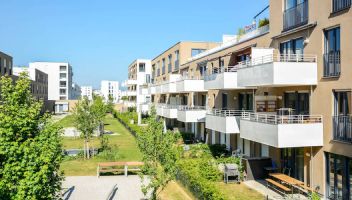
Income-based senior housing is based on the premise that rent is set as a percentage of the income of a resident, usually around 30%. That includes making sure housing even remains affordable for those living on nothing more than Social Security or a modest pension. Applicants must meet certain criteria to qualify, including age restrictions (typically 62 or older) and income restrictions based on the local area’s median income. Documentation of tax returns, social security statements and assets is often needed when applying. The Bluestone expansion was to ensure that those applying for assistance really needed money to help keep a stable roof over their head.
Income based senior housing receives funding from the US Federal government and specifically from the Department of Housing and Urban Development (HUD). This program issues grants to nonprofit organizations to construct and operate apartment complexes for elderly persons at least 62 years of age whose household incomes are below 50% of the area's median. In addition to affordable rent, many Section 202 properties provide services such as housekeeping, transportation help, and community events to fight social isolation—a problem that affects many older individuals. Another response is the Low-Income Housing Tax Credit (LIHTC), which encourages private developers to build affordable housing for seniors in exchange for a credit. Although LIHTC properties are not designated specifically for older adults, they typically set aside a share of units for elderly individuals at below-market prices.
Applying for income-based senior housing takes perseverance and patience. Given the high demand, waiting lists are typical, and some seniors are waiting years to get a spot. Experts advise candidates to apply to several properties and to keep in contact with housing administrators to inquire about the status of their applications. Local organizations such as the Area Agencies on Aging (AAAs) can help seniors cut through the process by helping to identify what you might be eligible for, as well as doing paperwork for your on your behalf.
One of the greatest benefits so many have found with income-based senior facilities is how stable they can be. While market-rate apartments can see rents jump due to a variety of factors, low-income housing provides affordability, helping seniors to budget effectively. While that’s no doubt true, most communities also provide organized social activities, well-being programs and community spaces in which belief at home. But it is also worth noting that these facilities, as a rule, do not supply medical care. For seniors who need help with the activities of daily living (ADLs), other options such as subsidized assisted living and Medicaid waiver programs should also be considered.
But there are challenges from this kind of income-based senior housing, including lack of available units and a lack of available funding. Advocacy groups are continuing to push for increased funding and policy changes that address the increasing demand with America’s growing senior population. For now, these programs are a lifeline to some of the most vulnerable older adults, who are looking for dignity and a sense of safety in their later years.
Ultimately, income-based senior housing is an essential form of safety net that supports low-income elders in aging in the community without financial strain. Through providing low-cost rents and support services, these programs enable seniors to age in place and remain tied to their communities. The plight of seniors becomes much more palatable and easier for them and their families if they start looking at subsidized housing early on so as to not risk becoming homeless later in life.